
Karkloof Nature Reserve forms part of the KwaZulu Natal Midlands Meander. It is situated in the Natal Midlands, 22km north of Howick on the road to Rietvlei. The reserve has 936 hectares of indigenous forest. The Karkloof Nature Reserve currently consists of about 40% mist-belt grassland and 60% mist-belt forest, ranging from 1,000 to 1,767 meters above sea level. It is home to numerous endemic and near-endemic species of fauna and flora that can be found in the reserve which include the Karkloof blue butterfly, samango monkeys, dwarf chameleon, bushbuck, and crowned eagle.
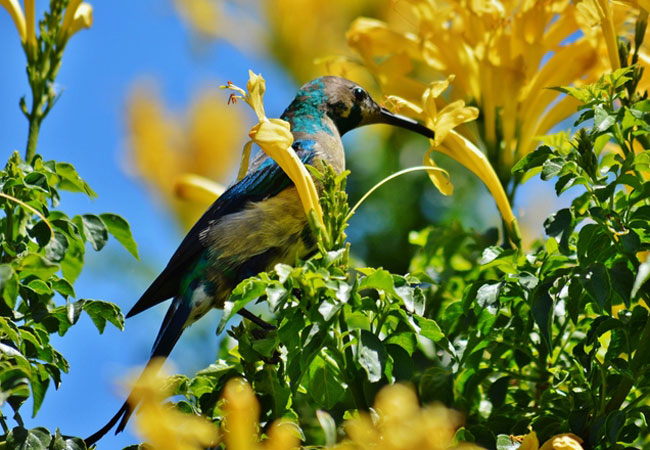
There are also about 100 species of birds in the area which means that bird watching at Karkloof Nature Reserve can be a very rewarding activity. The endemic guinea fowl can be spotted in the reserve as well as the endangered Cape parrot, crowned hornbill, orange ground thrush, lemon dove, red-necked spurfowl and the wattled crane. The Karkloof Nature Reserve is also home to Crowned and Martial Eagle which breed among the yellowwood and black stinkwood trees. For birders, it is a real opportunity for sightings given that such a wide range of species are found within such a short range.
Karkloof Falls
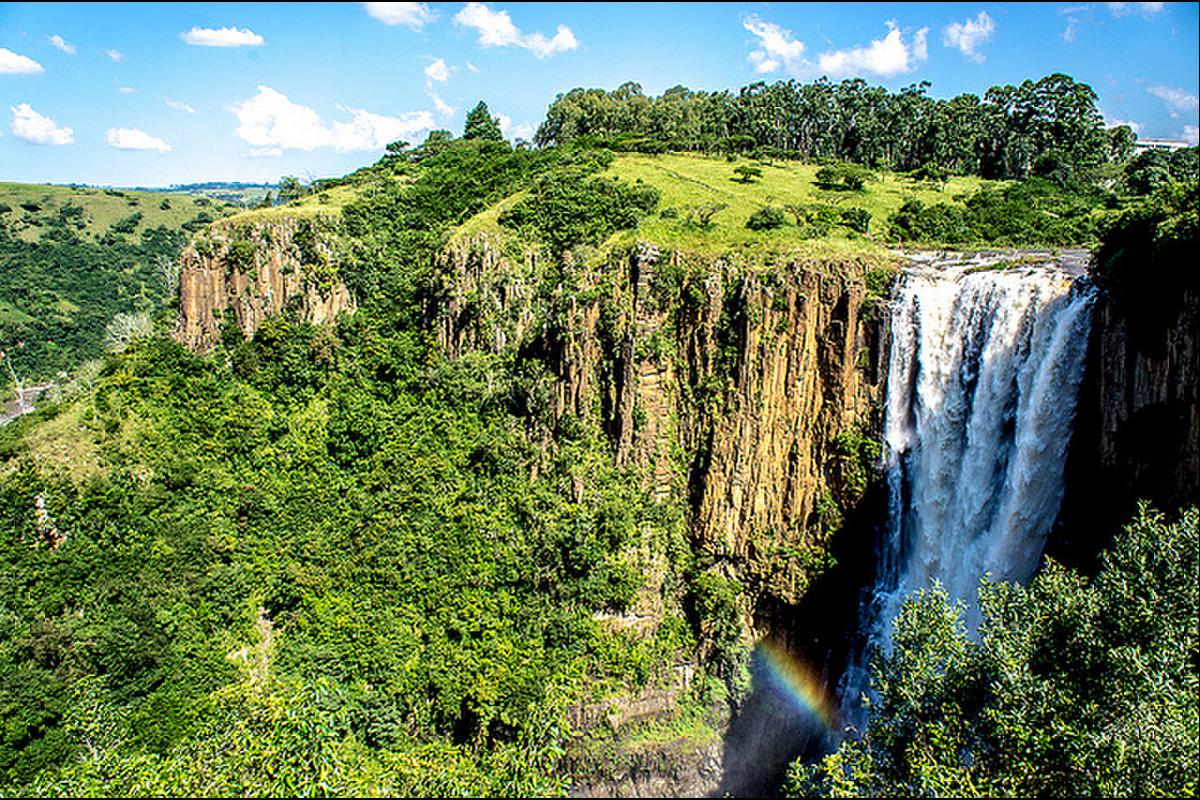
Karkloof Falls can be found along Karkloof road traveling out of Howick. The beautiful and dramatic Karkloof Falls is a 105-meter- high plunge over the cliff at Shafton Grange. It is known by the early settlers as “the most beautiful waterfall in the land”. The area around the falls includes braai and picnic facilities, so you can enjoy a meal in the tranquility of nature.
Karkloof Canopy Tour

Karkloof Canopy Tour this is a one-of-a-kind eco-experience that is all about fun and adventure tour gives visitors a bird’s eye view of the forest while suspended 40 meters above the ground. It involves traversing from one platform to another along a steel cable. The platforms have been put around the trees using a tension system that does not damage the trunk and the steel cables dangle between these platforms. The Karkloof Canopy Tour comprises 12 platforms and 10 slides which are built high up in the forest canopy and provide unforgettable rides and spectacular views of the surrounding forest, clear sparkling forest stream, a magnificent 20-meter waterfall and the expansive Karkloof valley far below.
The tour begins with a detailed safety briefing followed by a ‘Kitting up’ session where full body harness, pulleys, and climbing equipment are put on and checked for safety. Traversing through the platforms begins after a short scenic drive to the top of the Karkloof Valley.
Safe Adventure
To ensure safety, all groups are safely harnessed in state of the art climbing gear and escorted through the forest canopy by a lead guide and a follow guide. The professional guides also provide interesting facts about the forest ecology during the tour. The Karkloof Canopy Tour takes around two hours to complete and is suitable for everyone between the ages of five and 80 years of age.
The spectacular scenery, long swooping slides over the forest canopy and the wider views across the beautiful Karkloof valley makes the Karkloof Canopy Tours a must-try for all travelers with a taste for adventure. The Karkloof Nature Reserve certainly one of the must-visit spots in the Midlands Meander. A visit to the Midlands Meander will not be complete without spending time exploring the reserve through the Karkloof Canopy Tours.
 While
While 






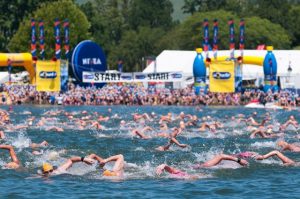
 The race takes place at the Midmar Dam and is roughly one mile (or 1.6 kilometres) in distance, hence the event’s name. One particularly notable feature of this race is that the exact distance competitors must swim can and has varied year by year. Years, when there has been heavy rain fall, sees a larger distance swum by competitors as there is a larger amount of water at the dam itself, while years with limited rainfall tend to see the competition beginning with an event infamous among swimmers known as the Midmar sprint start. On years with less rainfall than usual, the beginning of the race is actually a sprint towards the water across a muddy lake shore and through the shallow portions of the water until they reach a point where the water is deep enough that they can actually begin swimming.